

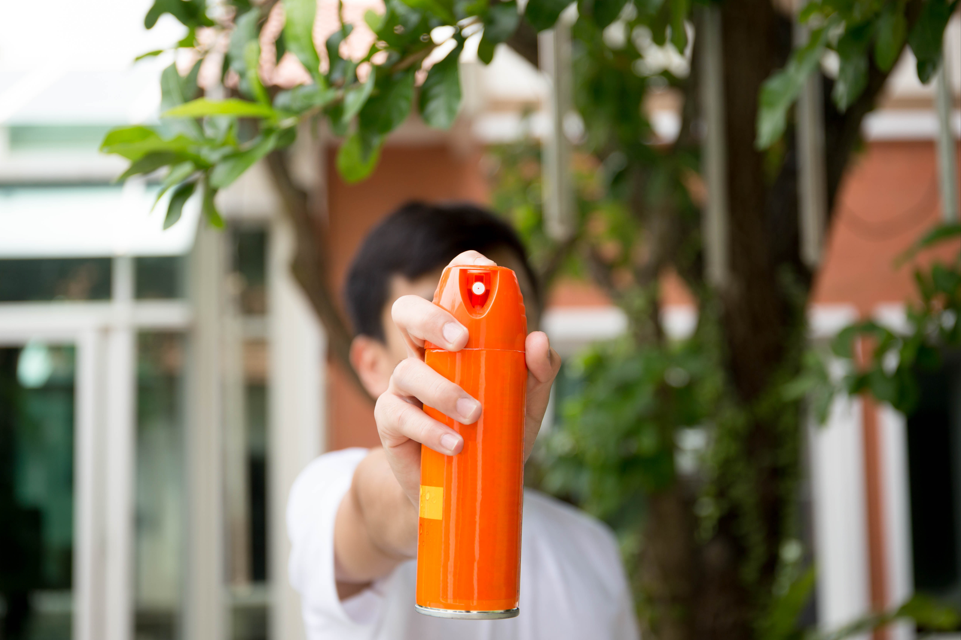
As warmer days return to Long Beach, the start of mosquito season comes quickly—and if you’re hoping to avoid itchy bites and the frustration of swatting away pests, preparation is everything. At Kilter Termite and Pest Control, we've seen how mosquito problems can spiral as soon as spring temperatures rise. Long Beach’s climate and coastal weather create the perfect storm for mosquitoes. With the right approach, you can enjoy your outdoor spaces all season long and keep your home comfortable for everyone. Let’s walk through a detailed guide for mosquito season preparation in Long Beach, building on strategies that actually work for homes, families, and unique neighborhood conditions throughout the city.
When Does Mosquito Season Typically Start & End in Long Beach?
Mosquito season in Long Beach usually begins in late spring, but it can start as early as April when temperatures climb above 55°F. Long Beach’s unique mix of humidity from the nearby ocean, frequent morning fog, and mild temperatures extends the mosquito season past the summer peak all the way into October and even early November. While most cities see a rapid slowdown by fall, persistent marine influence here means mosquitoes thrive well beyond what’s typical elsewhere in Southern California. Staying alert to these conditions helps you prepare before the earliest bites ever begin.
Each season, weather drives mosquito populations in different ways. Rainy winters leave standing water in planters, gutters, and low-lying parts of the yard, giving mosquitoes endless places to lay eggs. Even in dry years, overwatering, irrigation leaks, or neglected drainage can allow populations to surge. In Long Beach, a string of warm, humid days after rainfall signals a sudden increase in mosquito activity—making early spring cleanup essential. Knowing this, checking city and county health advisories can help you time preparations for maximum protection.
Acting before the first wave of mosquitoes arrives means less risk of infestation and a more enjoyable home environment. Tracking local weather, monitoring rainfall, and watching for city alerts allow Long Beach residents to address mosquito risks before they escalate. Don't wait for the first sign of mosquito bites—early action is one of the most effective steps you can take to protect your household and yard throughout the season.
What Mosquito Species Are Common in Long Beach, & Why Does It Matter?
Not all mosquitoes in Long Beach are the same, and this matters for your prevention strategies. The Culex mosquito, which is most active at dawn and dusk, is well known for its ability to carry West Nile virus. These mosquitoes breed in larger, more obvious bodies of water like catch basins, storm drains, and unmaintained fountains. In recent years, Long Beach has also seen a rise in Aedes mosquitoes—now infamous for daytime biting and their potential to spread diseases such as dengue, Zika, and chikungunya.
Aedes mosquitoes thrive in urban and suburban settings, targeting even the smallest amounts of standing water. That means flower pot saucers, pet water bowls, and discarded tires can each support dozens of mosquito larvae. Unlike Culex, Aedes eggs remain viable for months even if the water source dries up, allowing a new generation to hatch after just one spring shower. The presence of both species requires a dual approach—addressing both large and small water risks, and understanding when (and where) you’re at risk of bites.
Understanding which mosquitoes are most common in your neighborhood will help you choose the right patio and yard treatments, and inform your focus on personal protection. Residents near parks, marshland, or areas with frequent pumping and irrigation face additional risks. Tuning your approach for local mosquito species lets you address the problem at its source—and avoid unnecessary worry about the times of day and areas that pose the highest risk.
How to Identify & Minimize Mosquito Risks in Your Long Beach Yard
Determining if your yard is at risk during mosquito season in Long Beach starts with an honest assessment of your outdoor spaces. Mosquitoes are opportunistic and will use anything that holds water for more than a few days as a breeding site. Common household features that frequently create problems include birdbaths, clogged gutters, toys left outside, and even ornamental water features that don’t circulate water. Large shrubs or dense foliage also give mosquitoes a cool retreat during the hottest parts of the day.
Living near the ocean, many Long Beach homes retain standing water longer because of regular humidity and gentle breezes from the coast. This means that puddles from rain or even overwatering your lawn can linger. Microclimates—like shady corners, areas behind sheds, and places where landscaping traps moisture—are hotbeds for mosquito activity. After storms or watering, walk your property and look for these hidden risks. Bug activity in these spots often spikes after rain or foggy mornings, especially if you have older construction or uneven yards.
For a thorough check, focus on these areas:
- Basins under pots and plants—drain and refresh water frequently
- Pet water bowls and birdbaths—change water every few days
- Blocked drains or gutters—clear out leaves and debris after storms
- Outdoor toys, tarps, plastic covers, and garden equipment—store them properly after use
- Mist zones, leaky hoses, splash pads or even wheelbarrows and buckets
By identifying and addressing these risks early each spring, you give mosquitoes fewer chances to breed. This proactive approach to mosquito season preparation in Long Beach gives you the upper hand well before summer swarms arrive.
Step-by-Step Guide: Preparing Your Property for Mosquito Season
Long Beach’s climate demands a month-by-month approach to mosquito season preparation. Early spring is the best time to get started. Begin by removing all sources of standing water—clear out planters, dump water from trays and saucers, and tip over anything that collects rainwater. Prune dense shrubs and mow the lawn regularly to cut down on dark, humid hiding places for adult mosquitoes.
Thorough yard maintenance is the next step. Clean gutters and drains to prevent pooling, repair leaky hoses, and check all outdoor faucets. For home exteriors, install or repair screens on windows and doors to create a physical barrier against mosquitoes that may wander indoors. When rain is in the forecast, walk your property and check that nothing new is pooling water or becoming stagnant. Regular follow-up every couple of weeks is the best way to catch new hazards before they cause a problem.
Renters and apartment dwellers should focus on patios, balconies, and entryways. Even a small flowerpot or a forgotten container can invite mosquitoes. If you share outdoor spaces, partner with neighbors to keep common areas clean and dry. Many Long Beach property managers now organize seasonal clean-up events, so take advantage of these when possible. Collaborative action keeps private and shared areas safer for everyone living in the building or complex.
Choosing the Best Mosquito Repellents & Treatments in Coastal Long Beach
Residents searching for mosquito repellents in Long Beach have more options than ever. For personal protection, products with DEET, picaridin, or oil of lemon eucalyptus offer reliable defense and are approved by the CDC for use in families. Oil of lemon eucalyptus stands out as a plant-based choice for those who prefer less synthetic ingredients, and many Long Beach families use it for both children and adults.
For outdoor spaces, look for EPA-labeled yard sprays and barrier treatments designed for home use. Apply these early in the season, right after cleaning up risk areas, and repeat them as directed after heavy rains. Organic or plant-based yard sprays using oils such as citronella, rosemary, or geraniol provide an alternative to traditional chemicals. These work best when reapplied regularly, especially in high-humidity environments like coastal Long Beach.
Before using any product, read the label for safe application, especially if you have children, pets, or maintain pollinator-friendly gardens. Choose pet-safe and bee-friendly treatments to balance mosquito control with environmental health. If you’re unsure about which approach best fits your home, some services—including Kilter Termite and Pest Control—offer personalized recommendations based on your specific risk factors and property layout.
How to Prevent Mosquitoes Without Relying on Harsh Chemicals
If you want to avoid harsh chemicals, there are plenty of proactive steps you can take for chemical-free mosquito prevention. Physical barriers are essential—install fine-mesh screens on all windows and doors to keep mosquitoes out without blocking the coastal breeze. Outdoor netting creates a bite-free zone for porches, play areas, and sleeping spaces during mosquito season. Regularly repairing holes in screens and sealing window gaps makes a real impact on keeping insects outside where they belong.
Landscape design can also help. Several plants naturally discourage mosquitoes, such as lavender, marigolds, citronella grass, and basil. Plant these around patios, near doors, and close to frequently used outdoor seating. While these plants won’t offer total protection, they can play a supporting role when combined with regular yard clean-ups and water management. Routine yard care, like trimming branches and thinning overgrown areas, cuts down on resting places for adult mosquitoes, making your home less attractive overall.
DIY mosquito traps provide a chemical-free solution for problem areas. CO2 and yeast traps attract mosquitoes, while bottle traps placed in shaded spots reduce their numbers naturally. Always check and empty traps before they fill, and never allow neglected traps to become breeding areas. By combining these natural tactics with seasonal inspections and property care, you can lower exposure without increasing chemical use throughout your Long Beach home.
Staying Compliant: Long Beach Regulations & Community Resources for Mosquito Control
Mosquito control in Long Beach isn’t just a personal responsibility—local regulations require property owners to eliminate standing water and manage risk factors year-round. Failing to comply can bring fines and increase public health risks. Homeowners must maintain rain barrels, ornamental ponds, birdbaths, and any feature that might collect water after a storm. Keeping these up to code helps the entire community stay protected, especially when the city increases monitoring during outbreaks.
The Long Beach Department of Health and Human Services offers resources for residents wanting to stay ahead of mosquito control. These include seasonal updates, free prevention guides, and the ability to report problem areas or significant mosquito activity. You can stay informed about fogging schedules, neighborhood cleanup campaigns, and current health advisories directly through city channels. Fast reporting helps city officials act quickly—benefiting everyone, especially during larger outbreaks.
Many neighborhoods and building associations coordinate special events around National Mosquito Control Awareness Week in June, often in partnership with local pest control providers. Participating in these programs not only improves your property’s safety but supports efforts to reduce mosquito populations throughout the community. Together, these coordinated steps make a clear difference as the region heads into peak mosquito season.
What to Do If Mosquito Activity Spikes Despite Your Best Preparation
Sudden increases in mosquito populations sometimes happen even when you’ve followed a careful prevention plan. Rain, construction, or changes in nearby properties can bring about new breeding areas that quickly attract mosquitoes. Stay vigilant—if you start to notice more bites or see swarms in the evening or morning, it’s time to re-inspect your property. Double-check overlooked items like rain gutters, children’s play equipment, grill covers, and wheelbarrows. Even small changes in the yard can allow mosquitoes to take hold quickly.
When do-it-yourself methods don’t seem to solve the problem, there’s value in consulting professionals who understand Long Beach’s unique climate. Pest control services like Kilter Termite and Pest Control provide complimentary inspections and honest recommendations for tackling tough infestations. These assessments often uncover hidden breeding spots or show where more focused treatments are beneficial. Working with a trusted, local team ensures your response is tailored to both your property and current city regulations.
If the city issues public health advisories for increased mosquito-borne disease risk, follow their instructions and alert your neighbors. Community action makes the difference during surges—fixing problems quickly stops mosquitoes from spreading further, particularly for children, seniors, and others vulnerable to disease.
Tips for Long-Term, Sustainable Mosquito Season Preparation in Long Beach
Year-round mosquito prevention pays off in comfort and peace of mind. Set up quarterly routines to inspect, clean, and maintain your property—especially before and after the rainy season. Inspect irrigation and sprinkler systems to stop leaks, keep outdoor areas dry, and remove clutter that could hold water. As climate change changes local weather patterns, flexibility and vigilance will protect your home against new mosquito risks season after season.
Sustainable solutions include fitting rain barrels and tanks with mesh covers, using solar-powered fans to keep patios mosquito-free, and arranging plantings of natural deterrent species throughout your landscape. Involve household members in regular inspections and teach children the importance of dumping water from toys and outdoor containers. The more consistent and community-minded your approach, the more resilient your home will be during mosquito season.
For those who want extra assurance, some local companies—including Kilter Termite and Pest Control—offer services with extendable warranties and seasonal checkups. This means you’ll always have a plan in place for the unexpected. If you’re ready to discuss tailored mosquito season preparation in Long Beach, or simply want advice to get started, call us any time at (866) 827-1727. Our team is ready to support your efforts every step of the way.