

If you live in Long Beach, chances are you’ve seen spiders pop up around your home or yard throughout the year. Maybe you’re used to seeing cobwebs tucked into patio corners, or you spot spiders scurrying indoors as the weather shifts. These sightings aren’t just a fact of life—they’re signals that local conditions play a big role in how spiders behave in our neighborhoods. Understanding why spider activity in Long Beach changes with the seasons, knowing which types to look out for, and learning how to keep your space comfortable will help you feel more in control and less anxious about uninvited guests. Let’s dig into what makes spider behavior in Long Beach unique and how you can manage it with practical, reassuring steps.
What Makes Spider Behavior in Long Beach Unique?
Long Beach’s coastal climate influences spider activity in ways not seen in every part of California. With its mild winters, infrequent freezing temperatures, and consistent humidity influenced by proximity to the ocean, Long Beach provides an environment where spiders remain active and visible across more months of the year. Rather than disappearing during colder periods, many household spiders continue to forage and build webs, sometimes surprising residents with their resilience and adaptability.
Neighborhoods that border parks, wetlands, and waterways like Alamitos Bay or the Los Cerritos Channel see even more dynamic spider patterns. These areas attract insects, which in turn draw in spiders that hunt or trap them in their webs. The city’s mix of mature landscaping, older buildings with appealing nooks and crannies, and frequent irrigation all support robust spider populations. In addition, the marine layer that brings in extra moisture during spring and fall encourages both insect and spider activity, often resulting in an uptick in sightings during these periods.
Compared to inland cities, where sharp temperature swings force more spiders into dormancy, Long Beach’s subtler seasonal changes keep spiders searching for food and shelter nearly year-round. This means homeowners here need strategies tailored to a persistent, evolving spider presence—not just the occasional seasonal influx.
Which Spider Species Are Most Common in Long Beach Homes and Yards?
Understanding the most common spider species in Long Beach helps reduce unnecessary worry and supports safer, more effective responses. Inside homes, residents often find common house spiders (Parasteatoda tepidariorum), cellar spiders, wolf spiders, and orb-weavers. These species are more likely to make themselves known in corners, closets, garages, and near outdoor lighting.
The western black widow is the primary spider of concern locally. Recognizable by the shiny black body and red hourglass on the abdomen, these spiders usually keep to secluded, undisturbed locations such as garages, sheds, under eaves, or among yard debris. While their bite can cause significant symptoms in certain groups like young children or pets, most encounters involve minimal risk as these spiders tend to avoid human contact when possible.
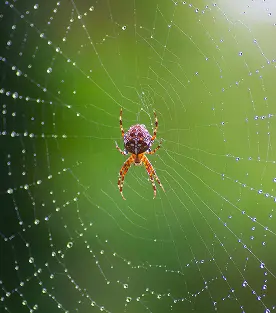
On the other end of the spectrum are beneficial garden spiders, like orb-weavers. They spin large, intricate webs that catch flying insects and rarely pose any risk to humans. Cellar spiders, also common in Long Beach homes, weave messy webs in damp or less-frequented areas such as bathrooms, laundry rooms, and basements, helping control the local insect population and generally remaining out of sight. Knowing which species you’re dealing with provides both peace of mind and informs next steps for control or prevention.
When Are Residents Most Likely to See Spiders in Long Beach?
Spider sightings throughout Long Beach follow seasonal trends tied closely to local climate and breeding cycles. Most residents notice an increase in spider activity from late summer through fall, when mature spiders leave hiding spots to find mates. You might see spiders crossing the floor at night, stringing new webs in eaves, or gathering around outdoor lights in larger numbers.
Spring marks another period of increased spider presence, particularly as spiderlings hatch and begin searching for food and territory. Warm, wet springs can produce higher-than-average numbers of young spiders exploring indoors and out. This is also the season when insects multiply, providing a bigger “menu” for area spiders and encouraging them to stay active in and around your property.
During periods of intense heat or after heavy rain, spiders that normally stay outdoors may sneak inside, looking for shelter and reliable food sources. Homes with dense landscaping, standing water, or lots of stored items often see higher spider activity. Recognizing these predictable patterns helps residents anticipate and address spider movement before minor infestations become major surprises.
Why Do Spiders Enter Homes More During Certain Seasons?
Spiders gravitate toward Long Beach homes for a few main reasons, and the timing nearly always links back to changes in temperature and humidity. In late summer and early fall, spiders search for mates, egg-laying sites, and secure places to weather cooler nights. Homes offer not just warmth, but also a steady supply of insects and plenty of dark, undisturbed corners to tuck away in.
Rainy and humid seasons present a different challenge. Dripping garages, flooded yards, and saturated landscaping push spiders inside in search of dryness and stability. Even brief spells of heavy rain can flush spiders from their nests outside, sending them to seek refuge near windows, inside sheds, or beneath foundations. Homeowners often see a wave of spider movement in these windows, especially when clutter and gaps allow simple access indoors.
Year after year, the most active times for spider movement coincide with these shifts in local conditions. By understanding that spiders follow food, shelter, and comfortable environments—especially when the weather outside becomes unpredictable—residents can take steps in advance to reduce encounters and keep their space comfortable each season.
How Does Weather Impact Spider Activity Throughout the Year in Long Beach?
The rhythm of Long Beach’s weather plays a big role in when, where, and why spiders move. Warm spells in the spring and early summer bring out insects, which in turn invite hungry spiders to spin more webs and hunt more actively. Periods of rainfall amplify this effect by multiplying insects such as flies, moths, and beetles, increasing the local spider population and driving more noticeable activity around homes and gardens.
Winter in Long Beach brings cooler temperatures but rarely the kind of freeze that drives spiders into full hibernation. When storms blow through or nighttime temperatures drop, some species shift indoors, taking advantage of the consistent warmth. Coastal neighborhoods like Belmont Shore and Naples, with their high humidity and proximity to water, can notice surges in species such as wolf spiders and cellar spiders more than inland areas.
Extended summer heat doesn’t just impact comfort—it also influences spider migration. During hot, dry weeks, spiders are drawn to irrigated gardens, shaded patios, and indoor refuges where both moisture and food sources persist. Spotting spiders indoors during a heatwave or after a rare rainstorm is a common experience for Long Beach residents, illustrating how local weather patterns drive visible changes in spider behavior across the city.
Are Spiders in Long Beach Dangerous for Families and Pets?
Most encountered spiders in Long Beach pose no significant danger to people or pets. The majority of bites are rare and lead to mild symptoms, such as redness or minor swelling. While stories of dangerous spiders can cause alarm, the reality is that most species—like orb-weavers, cellar spiders, and house spiders—do more good than harm by helping control insect populations around your home.
The western black widow is something Long Beach families should be aware of, though not usually alarmed by. Encounters typically happen in storage areas, sheds, or among outdoor clutter. Black widow bites can cause discomfort, especially in young children, seniors, or pets, but severe complications are uncommon. Usual symptoms may include local pain, minor cramps, or mild nausea, and most recover without intervention. Still, if you suspect a bite—especially from a black widow—or if your pet shows signs of swelling or distress, consulting a doctor or veterinarian is a prudent next step.
Keeping homes and yards tidy goes a long way toward reducing accidental spider contact. Wear gloves when moving yard debris or reaching into hidden areas, teach children not to disturb webbed corners, and observe pets that like to dig in the garden for any signs of unexplained discomfort. With some simple precautions and awareness, most Long Beach residents and their pets can go about their routines with little concern for spider-related risks.
What Attracts Spiders to Long Beach Properties and How Can You Minimize It?
Spiders follow their food and seek safe, undisturbed places to live. In Long Beach, these conditions often arise from landscape design, household habits, and the interplay of climate and construction. Well-watered lawns, outdoor lighting, abundant shrubbery, and cluttered storage all contribute to a property’s appeal for spiders—often without homeowners realizing the connection.
Insects drawn to porch and exterior lighting become a steady food source, which encourages spiders to set up webs near doors, windows, and walkways. Untrimmed plants, uncollected leaf piles, piles of firewood, and stacked boxes outside give spiders places to hide, breed, and move closer to the house. Inside, unvacuumed corners or piles of undisturbed items offer safe nesting areas, especially during colder or wetter months.
Minimizing spider attractants involves addressing these hidden invitations. Consider these practical steps for your Long Beach property:
- Switch to yellow-tinted outdoor bulbs, which attract fewer night-flying insects and, by extension, spiders.
- Keep shrubs and ground cover trimmed at least 12 inches from your home’s exterior.
- Store firewood and yard debris away from main structures, and dispose of organic waste promptly.
- Reduce clutter in basements, garages, and storage sheds to eliminate hiding spots.
- Repair screens and seal visible cracks or openings around doors and windows to limit easy spider access.
By creating an environment that is less appealing to both spiders and their prey, you make meaningful strides toward fewer unwanted sightings and a more comfortable living space.
How Can You Prevent Spider Infestations as the Seasons Change?
Preventing seasonal spider problems in Long Beach is about anticipating their movement as local temperatures, moisture, and insect activity change. Sealing up entry points is crucial: caulk cracks around windows and doors, install weatherstripping on exterior entrances, and ensure attic and crawlspace vents are screened and intact. Pay special attention to the areas where plumbing and utilities enter your home, as these are common thoroughfares for wandering spiders.
Regular cleaning is at the heart of good prevention. Vacuum all corners, ceilings, and baseboards, focusing on bathrooms, basements, closets, and any rarely used spaces. Remove webs as soon as they appear to disrupt future nesting. When you bring out seasonal items from storage, give boxes and bins a quick shake outside to avoid bringing unwanted guests indoors.
Landscaping plays an important role, too. Trim trees and shrubs so they do not touch your home’s walls or roof. Clear away piles of leaves and branches, and avoid letting mulch or soil pile up directly against your foundation. When possible, direct outdoor lighting away from doors and windows or use timers to reduce how long lights remain on overnight.
Add these habits into your seasonal home care routine:
- Walk your property before the rainy season to spot and seal new gaps or cracks.
- Disinfect or wash reusable storage bins and sporting equipment between uses.
- Address dampness in garages or basements with a dehumidifier or increased ventilation.
By acting ahead of the seasons, you make it less likely for spiders to move indoors—giving you peace of mind as Long Beach weather shifts throughout the year.
What Should You Do If You Find Spiders or Egg Sacs at Home?
Discovering spiders or egg sacs in your home calls for a calm, methodical response. For most non-threatening species, catching the spider in a container or with a tissue and releasing it outside is an effective and humane approach. Always use gloves and a flashlight if retrieving spiders from dark or cluttered spaces. Safely disposing of webs and egg sacs with a vacuum or paper towel helps prevent hundreds of spiderlings from hatching and spreading indoors.
If you spot an unusually large number of spiders or repeated egg sacs, check for contributing factors like clustering insects, food crumbs, or humid areas. Review and update your cleaning routine, and pay special attention to underused spaces and storage areas. If you think you’ve identified a black widow or another spider of concern, exercise caution and remove it using tools rather than bare hands to reduce the risk of accidental contact.
If managing spiders on your own becomes overwhelming, or you keep encountering potentially harmful species, reaching out for professional help is a wise move. Local pest control teams offer thorough inspections and honest advice tailored to your specific concerns. Bringing in support ensures your property is fully assessed and any persistent problems are handled safely and thoroughly—without unnecessary treatments or high-pressure sales.
How Does Professional Pest Control in Long Beach Manage Seasonal Spider Activity?
Professional pest control in Long Beach addresses seasonal shifts in spider activity by starting with a thorough inspection. Teams from Kilter Termite and Pest Control provide complimentary initial evaluations, examining your property for signs of spider populations, nesting areas, food sources, and environmental factors that may fuel ongoing problems. This in-person assessment helps pinpoint the unique combination of conditions in each home or yard.
After the initial review, the team offers a customized plan. This may include targeted treatments in likely spider harborage areas, advice for making landscape or lighting adjustments, and practical tips on reducing attractants. Each step gets explained clearly, ensuring you understand what’s being recommended and why. When changes or follow-ups become useful, you’ll receive guidance and flexible scheduling—so you always feel supported, no matter how active the local spider population gets from season to season.
Setting Kilter Termite and Pest Control apart is their dedication to straightforward communication and customer-first care. With around-the-clock support, same-day scheduling, and no-pressure advice, you can address your spider concerns when it works for you—day or night. Providers in Long Beach focus on creating a healthy environment with minimal disruption and long-lasting reassurance, rather than one-time fixes or unnecessary treatments.
Where Can You Get Fast Help and Reliable Advice on Spiders in Long Beach?
Spiders can cause anxiety, especially if you keep finding them indoors or are unsure about what you’ve discovered in your garage, attic, or garden. Long Beach residents can reach out to Kilter Termite and Pest Control 24/7—not just for quick answers or to book an inspection, but also for smart, actionable recommendations customized to your situation. Their complimentary inspection means you can learn what’s really going on before agreeing to any service.
The “send-a-photo” tool means you no longer have to guess whether the spider on your wall is a black widow or harmless garden visitor. Just snap a picture, share it through the team’s easy online platform, and let licensed professionals review and respond with insights or next steps—often in less time than waiting for a call back. The service is designed to relieve uncertainty and help you respond appropriately, based on actual conditions in your home.
Ongoing support provides ongoing peace of mind, with options like extendable warranties and seasonal coupons that keep service accessible and cost-effective. For personalized advice, convenient scheduling, and trusted care that meets Long Beach’s shifting pest challenges, contact Kilter Termite and Pest Control anytime at (866) 827-1727. You’ll find transparency and dependable help—so you can enjoy your home year-round, no matter what the local spider season brings.