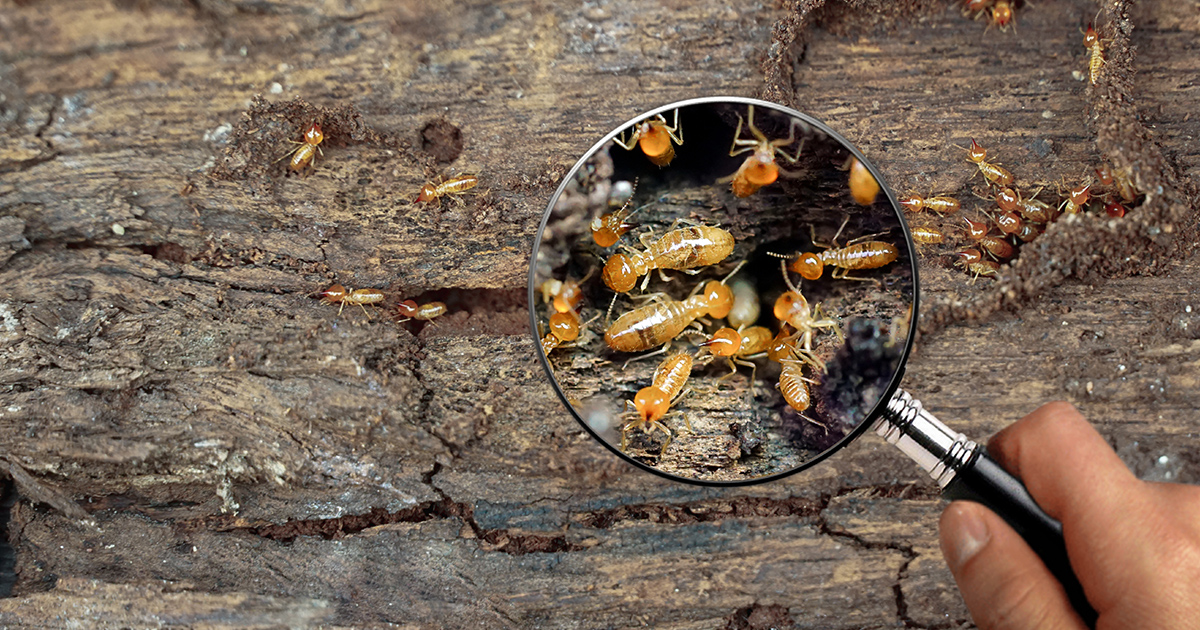
Living in Long Beach means enjoying a warm, coastal climate—but it also requires staying vigilant about termites year-round. Homeowners here know how quickly a small problem can turn into costly repairs, especially since the city’s seasonal changes create unique risks for termite infestations. By understanding how local weather affects termite activity, when and where swarms are most common, and which warning signs to watch for, you can better protect your home and family. Our team at Kilter Termite and Pest Control draws on experience serving Long Beach since 1992, and we’re committed to keeping you prepared for every challenge each termite season brings.
How Does Long Beach’s Unique Climate Shape Termite Activity?
Long Beach’s coastal weather shapes termite behavior in ways that set it apart from inland cities. Mild temperatures and steady humidity mean termites remain active in some form throughout the entire year. Because these pests thrive in moist environments, any combination of rainy winter weather and lingering humidity creates perfect conditions for colonies to grow. The Pacific’s marine layer delivers regular, gentle moisture, so homes with shaded yards, little sunlight, or limited airflow often become prime targets—especially after stretches of rain during winter and early spring.
Spring rains typically bring a burst of activity as Subterranean termites become more active in moist soil. As soon as the sun comes out after a storm, it’s common to see swarms of winged termites searching for new nesting spots. However, the risk doesn’t end with summer’s arrival. Long Beach’s summers, while drier, keep indoor and hidden spaces consistently warmer than in many parts of California. That means even during warm, dry spells, termites can remain active in wall voids, under flooring, and in crawl spaces where moisture lingers.
Even in the fall and winter, mild weather allows termite colonies to continue foraging and reproducing. While their activity may slow, it rarely stops. Leaky pipes, poor drainage, and cluttered landscaping all add to the risk by giving termites the moisture and shelter they need. That’s why year-round vigilance—guided by an understanding of Long Beach’s specific climate patterns—makes a real difference in staying ahead of infestations.
Which Termite Species Threaten Long Beach Homes—And When Are They Most Active?
Two main termite species target properties in Long Beach: Subterranean termites and Drywood termites. Recognizing their behaviors and timelines helps you respond before real damage begins. Subterranean termites build underground colonies, often entering homes through mud tubes that connect moist soil to exposed wood. Their swarms usually appear from March through June, triggered by the warming air and wet ground after winter and spring rains. You’ll spot these termites near foundations, outdoor lighting, or along fences—typically just after a rain spell as conditions favor their mating and nesting.
Drywood termites take a different approach. Instead of living underground, they inhabit dry structural wood and don’t require direct soil contact. This means attics, eaves, window frames, wooden furniture, and even stored moving boxes can become their new home. Drywood termites swarm from late summer into early fall, especially following heat waves. Indoor swarming may catch families by surprise, causing them to mistakenly believe the problem only happens outdoors or in spring.
The year-round risk both species present makes it critical to stay alert every season. Subterranean termites thrive after rain, while Drywood termites take advantage of warm, dry periods and find entry points almost anywhere wood is unprotected. Knowing which type of termite is most likely active in any season helps guide your prevention strategy and inspection planning.
When Is Termite Season in Long Beach? Month-by-Month Activity Guide
While it’s common to ask, “When is termite season in Long Beach?” the answer isn’t as simple as picking one month. Subterranean termites begin their peak swarming from March to June, right after seasonal rains soak the ground. If you notice thick clusters of winged insects near windows or doors on warm days that follow rain, this is likely the start of their activity. Their season can extend into early summer if rainfall persists.
In contrast, Drywood termite swarms begin ramping up in August and can continue through October, especially after heat waves or periods of increased indoor humidity. Because these swarms may occur both inside and around homes, residents often discover them unexpectedly—in attics, garages, or stored wooden items. It’s a mistake to assume the threat disappears when spring ends. Drywood termites can swarm in response to short-lived spikes in temperature, meaning vigilance is important through the fall.
Outside these peak months, termites remain active—silently eating away at wood or laying the groundwork for future swarms. Local experience shows that mild winters don’t kill off termite colonies, so it’s best to stay alert for signs every month. Scheduling inspections or setting reminders after each rainfall helps prevent surprises as the next “termite season” arrives.
Which Weather & Environmental Factors Trigger Termite Swarms in Long Beach?
Understanding what causes termite swarms helps you anticipate and prepare for activity in Long Beach. The main triggers are rapid weather shifts, with rain and humidity acting as the primary catalysts. Subterranean termites swarm immediately after rain when soil moisture rises and the following days turn warm. This pattern allows thousands of winged termites to escape underground colonies and search for a place to start new nests—often targeting homes with moist soil or landscape beds right next to the foundation.
Humidity plays a significant role, too. Long Beach’s coastal climate ensures a steady supply of airborne moisture, thanks to the marine layer and ocean influence. Even subtle rises in humidity—such as after foggy mornings—encourage both Subterranean and Drywood termites to become active. Persistent humidity helps termites survive and flourish in places you might not expect, from roof eaves to under slabs and decks.
Temperature fluctuations in spring and late summer can also prompt activity. For example, a sudden heat wave after a rainstorm gives termites the signal to swarm, while warm, still nights help drywood termites emerge indoors. Coastal winds and salt air don’t deter termites; instead, they keep certain outdoor structures, like fences and patios, vulnerable for longer than in drier inland cities.
What Are the Early Signs of a Termite Infestation in Each Season?
Recognizing seasonal warning signs makes it easier to catch termite problems early.
In spring, keep an eye out for:
- Piles of discarded wings on windowsills, decks, or near doors
- Mud tubes climbing foundations, porches, or crawl spaces
- Hollow sounds when tapping wood surfaces, indicating damage beneath
Summer can bring subtle yet telling indoor signs, especially with Drywood termite activity.
Look for:
- Small, gritty droppings (frass) accumulating beneath wooden beams or along baseboards
- Pin-sized exit holes in wood, showing where swarmers emerged
- Soft or blistering wood in attics, garages, or on patio structures
In fall and winter, warning signs change but don’t disappear.
Watch for:
- Late-season swarms inside, usually after heat waves or unusually humid days
- Persistent mud tubes or sagging wood near the base of the house
- Blistering paint or unexplained soft spots along exterior walls, trim, or siding
Spotting any of these issues should prompt immediate documentation and a call for professional inspection, rather than waiting for the next swarm.
What Seasonal Steps Can Prevent Termites in a Long Beach Home?
Termite prevention requires a proactive, season-by-season approach. Each part of the year brings unique actions you can take to lower the risk of infestation.
In spring, focus on managing moisture throughout the property:
- Fix leaking pipes, unclog gutters, and repair any roof or window leaks
- Keep mulch, firewood, and wood scraps stored away from the foundation
- Schedule a professional inspection before swarming starts
Summer’s heat makes it easier for termites to hide in and around the house.
Defend against them by:
- Trimming shrubs and bushes away from exterior walls to improve sunlight and airflow
- Inspecting outdoor structures—fences, decks, patios—for damage or frass
- Checking attics and crawlspaces with a flashlight for hidden Drywood activity
In the fall and winter:
- Clear leaves from gutters and landscaping to prevent water buildup
- Seal up exterior cracks and entry points before cold, wet weather arrives
- Schedule a detailed professional inspection, reviewing all moisture-prone areas around the home
Consistent, season-tailored prevention keeps small issues from turning into year-round repairs, and ensures you’re prepared for the next period of termite activity.
Are Termite Problems in Long Beach Only Seasonal or Can They Happen Anytime?
Many assume that termites are only a concern during big “termite seasons,” but Long Beach’s climate means these pests never take months off. Persistent humidity and mild temperatures allow termite colonies to feed, grow, and spread during every season—even as activity fluctuates. While peak swarms happen in spring and late summer, hidden colonies keep working in the background all year.
This year-round risk means a set-it-and-forget-it approach to prevention rarely works. Smart homeowners use ongoing strategies to stay ahead, which include frequent checks for signs of infestation and scheduling regular inspections rather than waiting for a problem to become obvious. Properties with older wood frames or moisture issues remain most vulnerable, especially if annual inspections are skipped.
By making prevention and detection a year-round habit—not just a once-a-year project—you ensure that small issues don’t turn into major repairs. This approach matches the realities of Long Beach’s coastal climate, supporting long-term peace of mind.
Should You Tackle Termite Prevention Yourself or Work with a Long Beach Pest Control Professional?
Do-it-yourself termite solutions may sound appealing, but they often leave the hidden root of the problem untouched. Products like termite bait, over-the-counter sprays, or physical barriers can reduce minor risks, yet miss infestations inside walls or under floors. In Long Beach, where both Subterranean and Drywood termites exploit hard-to-reach spaces, these DIY approaches can let colonies persist out of sight.
Choosing to work with a licensed local team, such as Kilter Termite and Pest Control, ensures you receive a complete approach. We begin every job with a complimentary inspection to check every part of your home—inside and out. Our licensed and certified professionals walk you through each recommended solution, including how to prepare your property for the best results. Every treatment plan is shaped by your specific needs and the unique risks posed by your property, not by what’s easiest or most profitable for us.
We provide honest, pressure-free advice so you only get recommendations that make sense for your home and budget. If you’re unsure what to do next or DIY efforts haven’t fixed the problem, reaching out means you receive a level of careful detail and clarity that’s difficult to match alone. We’re here to support you at every step, offering clear information and fast, friendly help when you need it most.
What Should You Do Immediately If You Notice Termite Swarmers or Damage?
When you spot termites, wings, or signs of damage, acting quickly helps protect your property from bigger problems.
Start by documenting everything:
- Take clear, up-close photos of any swarmers, discarded wings, mud tubes, droppings, or wood damage
- Record when and where you found each sign to help with identification later
- Do not disturb or spray the area before gathering evidence—this makes professional evaluation easier and more accurate
Next, limit access to the site if possible. Shut doors to infested rooms or place a cover over visible damage to prevent termites from spreading further. Avoid using household sprays; these only affect surface pests, which can drive the rest deeper into the structure. Instead, wait until a licensed inspector has reviewed the situation—in many cases, what looks like a small problem on the outside can be hiding a much larger issue below the surface.
Contact Kilter Termite and Pest Control as soon as possible for a fast, thorough inspection. We offer 24/7 support and same-day appointments to respond when you need us. Our send-a-photo tool lets you share evidence instantly for an expert review before your visit. Early action almost always reduces repair costs and gives you more options for effective treatment before colonies have a chance to spread.
How Have Termite Seasons Changed in Long Beach Over the Last Decade?
Long Beach has seen clear shifts in termite activity patterns over the last ten years. Warmer winters, driven by changing climate patterns, allow termites to stay active for longer stretches each year. Extended humidity, even outside traditional rainy months, means that homes are never fully safe from these pests. Sudden, heavy rains followed by periods of heat—now more common thanks to weather unpredictability—trigger additional swarms and faster colony growth compared to previous decades.
Urban development also influences termite risks. Renovations, high-density housing, and increased use of untreated wood create more opportunities for both Subterranean and Drywood termites. New neighborhoods might initially seem less at risk, but landscaping practices and construction methods often unintentionally raise the odds of infestation. Even established homes are affected when new construction changes water runoff and humidity levels in the surrounding area.
As these patterns continue, it’s more important than ever to adapt your prevention and inspection routines. Relying on the old “termite season” mindset means you could miss important warning signs or delay treatment until it’s too late. Staying up to date with changing local trends, and partnering with providers who adjust their strategies as conditions shift, helps keep your property protected year after year.
Why Work with a Local, Award-Winning Termite Control Team for Ongoing Protection?
Relying on a Long Beach provider with deep roots offers peace of mind you can’t get from generic, national chains. At Kilter Termite and Pest Control, serving Southern California since 1992, we offer a combination of experience, integrity, and true commitment to our community. Our process always begins with a no-obligation inspection from licensed and certified team members. All recommendations are clearly explained, customized to your exact situation, and never tied to unnecessary services or hard-selling.
We set ourselves apart by offering unmatched convenience, including 24/7 support, flexible same-day appointments, and our easy send-a-photo feature for instant feedback. Our reputation is built on hundreds of five-star reviews and respected awards, including recognition from local sources like Angi’s “Best of OC” and “Best of SD.” This trust was earned by putting customers first—delivering thorough, affordable solutions and staying until you feel completely confident in the work done.
If you want guidance that fits Long Beach’s changing climate and unique termite risks, call Kilter Termite and Pest Control at (866) 827-1727. We’re here to make proactive protection accessible and straightforward for every homeowner—no matter the season.