



Call us today to schedule a free inspection.
Valid Oct 1, 2025 - Dec 31, 2027 Schedule Now
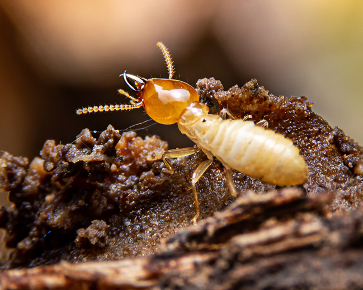
Termite Control in Los Angeles, CA
Fumigation is the most common method for treating termites in Los Angeles, California. While it is typically effective, it does come with drawbacks. Tenting your home is a major disruption to your lifestyle and forces you to spend additional money on accommodations until treatment is complete. You will also need to ensure all of your medications and food are completely sealed to avoid contamination. What is more, fumigation is not always effective against subterranean termites, as they can simply burrow into the ground and return later.
Fortunately, Kilter Termite and Pest Control has a treatment solution that is much more convenient than fumigation and is proven to be effective.











Common Signs of a Termite Infestation
Homeowners often struggle to spot the early warning signs of a termite problem because these insects work from the inside out. Since they rarely come out into the open, you have to look for the subtle evidence they leave behind in different parts of your structure. Catching these signs early is the best way to prevent the need for major structural repairs later on.
- Mud Tubes: These pencil-thin earthen tunnels are built by subterranean termites to travel from the soil to your home’s wood while staying moist.
- Discarded Wings: You might find small piles of wings near windowsills or doors after a swarm, which indicates a colony is nearby.
- Frass Piles: Drywood termites push out tiny, wood-colored pellets known as frass through small holes, often leaving small mounds on floors or in attics.
- Hollow Wood: If wooden beams, baseboards, or floors sound hollow when tapped, it often means the interior has been consumed.
- Bubbling Paint: Termite activity can cause moisture to build up behind paint, leading to a look that resembles water damage or bubbling.
Being aware of these indicators helps you act before the colony grows too large. If you notice any of these changes in your home, it is time to have a professional look at the situation to determine the extent of the activity.
See Why We’re a Local Favorite
Real feedback from people who rely on us to protect their homes & Businesses.
-
 “I am beyond pleased I reached out to Kilter.”Jennifer M.
 -
“Due to their good name and reputation, I opt to choose Kilter to help us with our termite problem.”Brenda H.
-
“They did a great job and left the place clean after their work.”Jack D.
-
“Luis was simply amazing. He was very knowledgeable and was able to locate termites where our salesman didn’t even look or find them. I was very impressed. I had three bids and was glad I went with Kilter.”Bill F.
-
“5 Stars to Dillan! Well deserved!”Nancy R.
-
“I am thankful for Kilter Termite & Pest Control for taking care of the pests in our old home”Stephen T.
-
“Had a termite inspection and extermination. On time, on budget. After several weeks, the company advised I check around for hot spots, and Luis (the technician) came back out and took care of it as per their warranty. No hassles, no fuss. Luis is a real pro.”Michael L.
-
“Anthony was professional, patient, and easy to work with. He took the time to listen, explain everything clearly, and made sure I felt comfortable throughout the process. Honest, knowledgeable, and respectful service. I highly recommend Anthony and Kilter Terminate.”Alix
-
“Great Service. Kilter took care of some rats a few years ago, and now they've killed the termites. All without tenting. Quick responses, great follow-up, and great technicians who are polite and courteous. Thank you!”Sarah G.



How Can our Team Help You?
-
Stay-In-Home Termite Treatment $200 OFFTake advantage of this exclusive offer from Kilter Termite and Pest Control: claim $200 off when you book a termite treatment that allows you to stay in your home (no tenting or moving out!).Hassle-Free Deals
-
How to Get Rid of Fleas in Your Yard—and Keep Them From Coming Indoors Martha StewartRead More
-
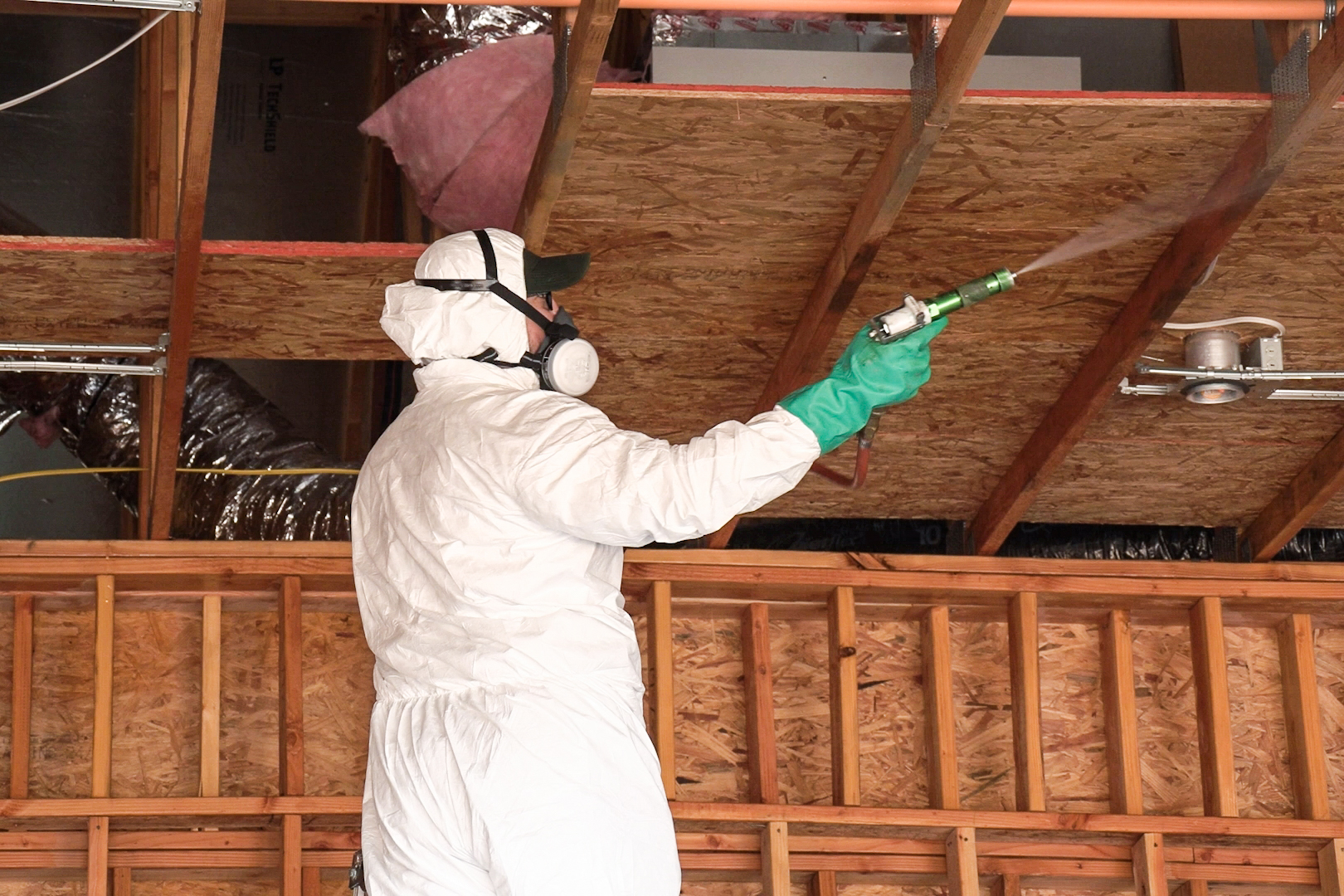
Skip the tent. Stay in your home. KILGUARD™ & KILFOAM™ NO-FUMIGATION TERMITE TREATMENT
Eliminates termites without tenting, fumigation, or overnight stays
- Stay in your home — no packing up, no hotel, no disruption
- Done in hours — not stretched over 2-3 days like tenting
- Both species covered — drywood & subterranean in one visit
- Family & pet safe — targeted injection, no whole-home chemical saturation
2-year "No Problem" warranty
Covers your entire home — if termites return, so do weGet a free termite inspection